“True belonging only happens when we present our authentic, imperfect selves to the world.” – Brene Brown
The Road Not Taken
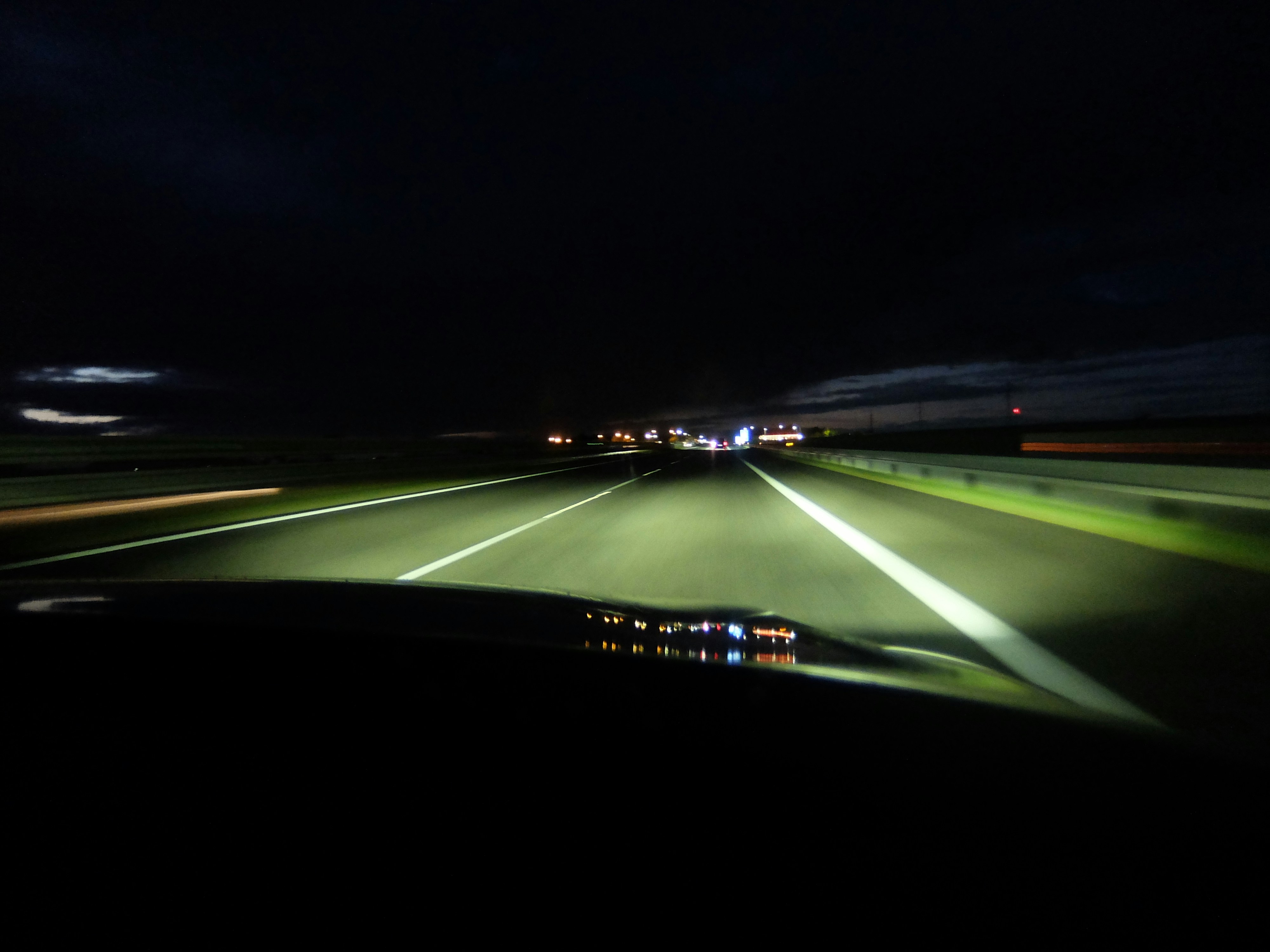
I had recurring battles with wanderlust in college, though that makes it sound romantic. It really wasn’t. It was instead an emptiness in my gut that insisted I not stay where I was. Many nights while driving home, I felt the urge to miss my turn and keep my hood pointed west. I finally did one night near the end of my freshman year. The moment remains uncomfortably clear in my memory. My hand hovered near the turn signal, the way it always did, and then…it just didn’t. I kept the steering wheel straight. It felt less like a choice and more like a release.
The city faded behind me as city lights gave way to the suburbs, then to the calm darkness of the Kansas countryside. The farther I drove, the quieter everything became—the road, the radio, my own thoughts. I didn’t know where I was going and I didn’t care. Whether anywhere or nowhere, either was fine.
I drove almost forty miles that night before I turned around. I still don’t know why. I don’t remember fear or regret. I only remember the peacefulness of that drive, the way the world briefly felt limitless. Looking back, I can see now what I couldn’t then. All those urges to escape had nothing to do with adventure. They were a glimpse into a truth I’d carried since childhood.
I just didn’t belong.
The Distance Between Me and Here
One of my first major decisions after being diagnosed with autism and ADHD in August 2025 was how open I would be about it. I knew I would tell my family and friends, but I wasn’t initially comfortable letting just anyone—or everyone—know about this part of me. There is a stigma surrounding these conditions, not to mention a massive amount of misinformation and stereotypes.
Ultimately, I asked myself if I would want to know this information about someone else. My answer was yes. I might gain a better understanding of them and give them the benefit of the doubt more often. I would also want to know anything I could do to help them exist more comfortably. I also figured being open about my diagnosis may put another crack in the stereotypes. Besides, I was sure others could notice something about me that seemed different, especially as they got to know me better. The signs and symptoms of neurodivergence were with me my entire life, I just hadn’t recognized them.
Off the Map
Throughout life, I seemed to naturally draw the role of the odd outsider. Feeling out of place and misunderstood was a persistent theme that followed me through school and every job I held after college. I was conditioned to believe that the emptiness inside was just the price of being me. To be honest, I was put off by the business world and especially corporate America. I found most workplaces to be an adult version of a high school popularity contest. I never felt so out of place as I did in the business world.
But I tried my best to conform, with varying degrees of success. I kept telling myself that I had to be who everyone expected me to be. I often scripted and rehearsed my role in meetings. I knew it would be disaster if I didn’t, because finding words under pressure is incredibly difficult for me. I copied my coworkers’ tone, enthusiasm, and phrasing to blend in and studied how they interacted so I could mimic them. I subconsciously monitored how much eye contact I was making so it was neither too much nor too little. I never expressed my discomfort with open office layouts and I always pretended to be more extroverted than I really was. This is called masking—the camouflaging autistic people perform to help them blend into neurotypical environments. Even for those of us who learn to be very good at it, masking is only partially or temporarily effective.
But it often tears us apart inside. You carry a crater in your chest when you know fitting in depends on acting like someone you’re not. After my diagnosis, I struggled to understand who I really am. Am I the person who I present to the world? Or am I that different person I am when I’m alone? Am I both? Neither?
The Place I Never Arrived
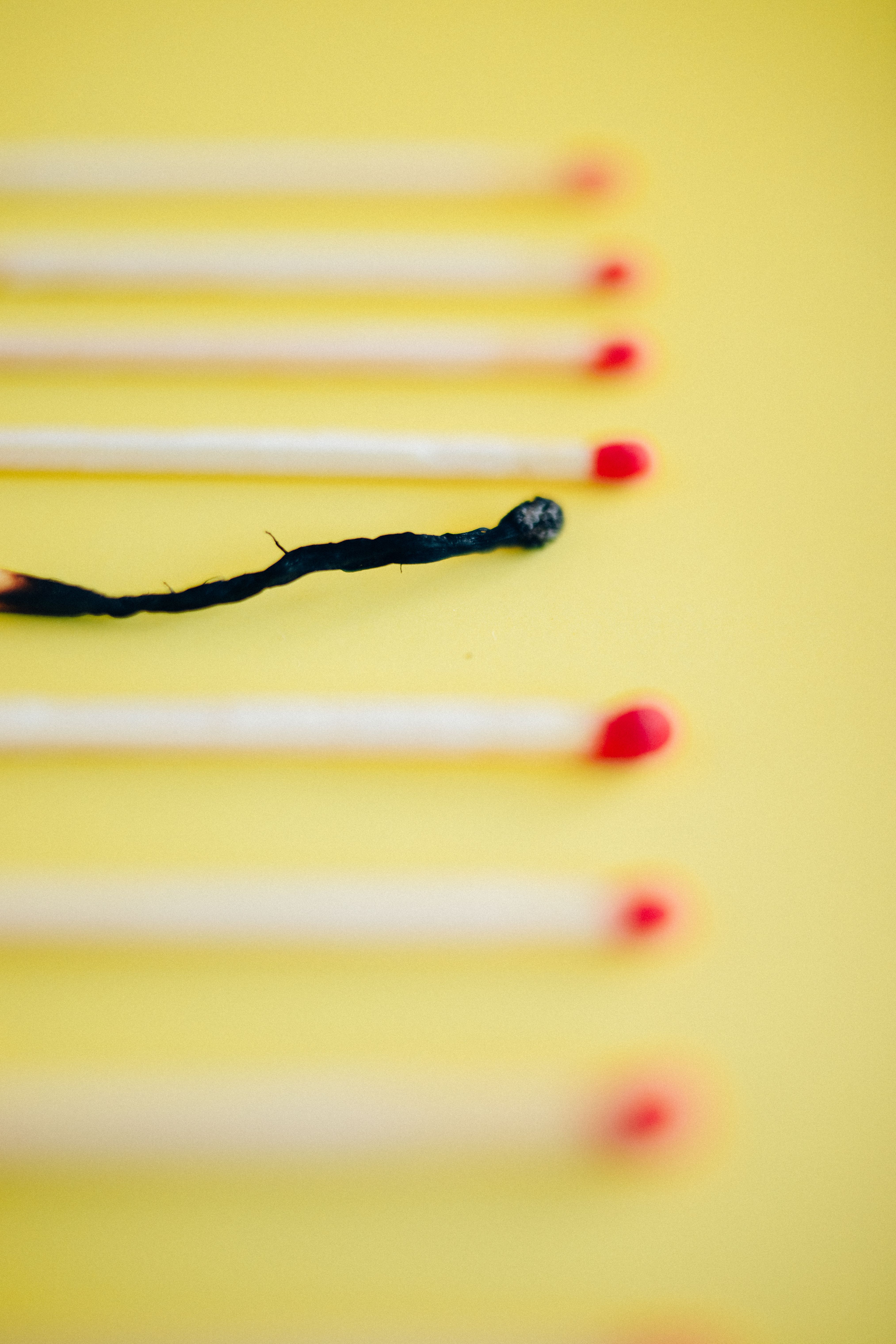
Masking is the constant and exhausting work of reshaping ourselves to fit a world never built for us in the first place. In a way, we try to erase who we really are, and erasure always gives us an urge to escape. For 48 years, I have been trying to escape from uncommunicated expectations, unwritten rules, and a “normal” that I must consciously and constantly pretend to be.
I think I realize now where I’ve been running my whole life and why I missed my turn that night during college. I was driving toward a place where I can be the true version of myself that I don’t have to edit. This is a place in my dreams where my quirks aren’t liabilities, where my thoughts don’t need to be translated, where I’m not misread and misunderstood. It’s a place where I don’t have to perform to be allowed to exist. It’s a place where my real self isn’t a problem.
It was the first moment, however brief, when I tried to declare to the world that I don’t have to be who they want me to be. I wasn’t running away from anything as much as I was running toward an idea. I was chasing after me.


