It’s early October in the mountains of central Colorado, and the chilly wind this morning nips at my skin. I pull my beanie lower over my ears and raise the zipper on my puffy. My Jeep is parked on the side of the mountain road in front of a barrier and a “road closed” sign blocking further travel. I shut the door and cinch my pack—I’m on foot for the next three miles.
I leave my Jeep by itself and start my way up the road. It seems I have the mountains to myself today. I hear the gravel crunching under my feet and the breeze through the swaying pines—nothing else. This is why fall is the best time to hike in Colorado. And in about an hour, I’ll be at one of my favorite destinations.
Imagine digging a hole through a mountain of unstable granite, 16 feet high by 12 feet wide, almost two thousand feet long. Then imagine doing this using only hand tools. Oh, and you’re at an altitude of 12,000 feet. And did I mention you’d have to do this in the dead of winter?
As unpleasant—if not impossible—as this sounds, such a tunnel actually was chiseled through these mountains between 1880 and 1882. The Alpine Tunnel lies at a breath-taking altitude of 11,523 feet between Buena Vista and Gunnison. Built by the Denver, South Park & Pacific Railroad for its line to Gunnison, it operated until 1910.
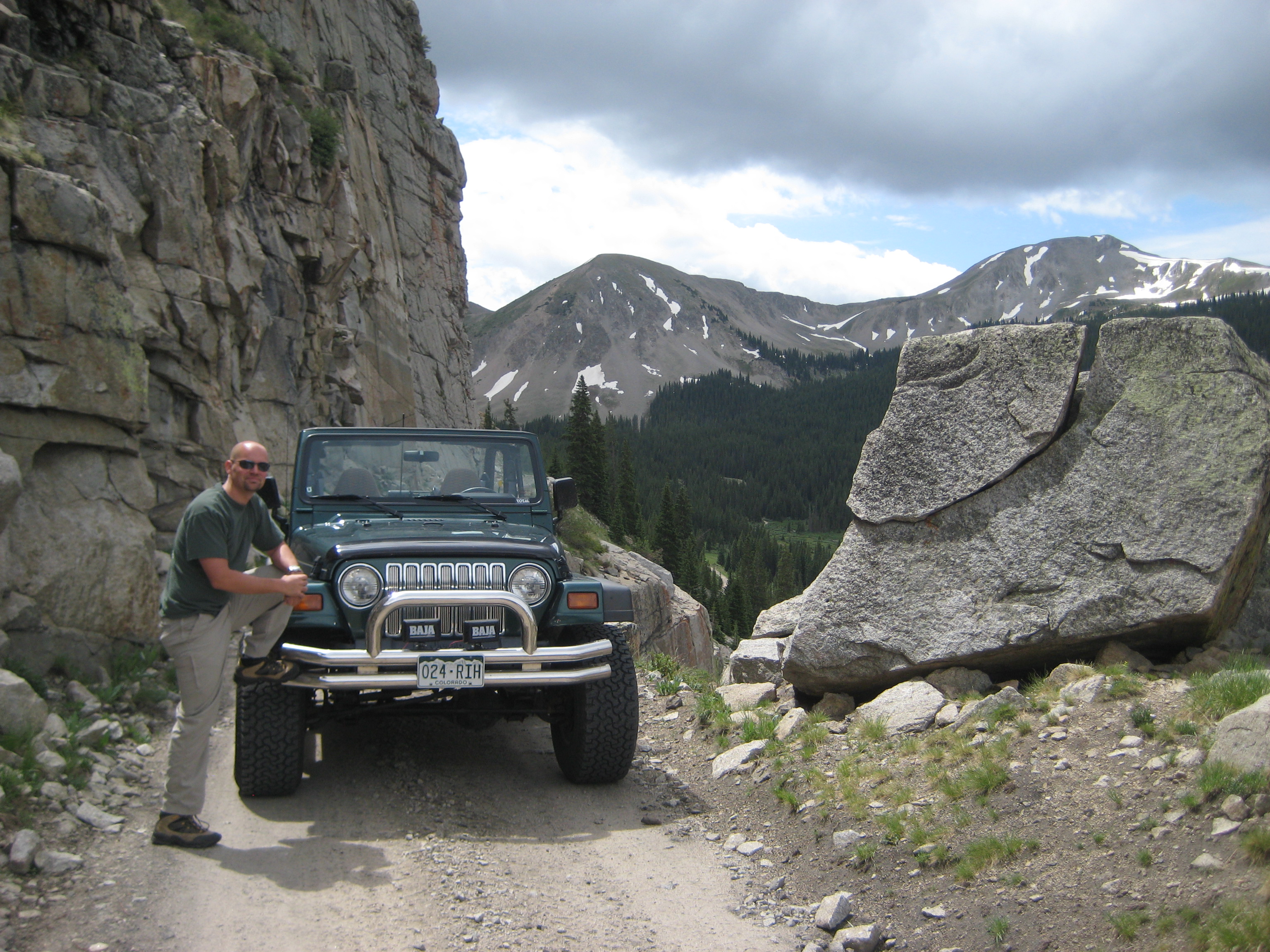
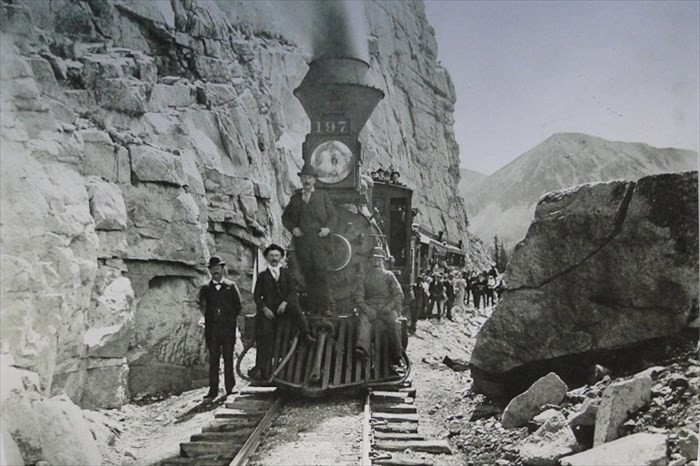
The Alpine Tunnel was the first to pierce through North America’s continental divide. And for most of its existence, it held the title of the highest railroad tunnel in the world. The few miles of railroad on either side of the tunnel included some of the most difficult and fantastic civil engineering of the 19th century. The most dramatic was the Palisades—a series of enormous rock walls built from suitcase sized stones cut on site and laid without mortar that held the railroad bed against several sheer cliffs. They are a powerful testament to the interminable fortitude and skill of its builders and the fearless men and women who operated the line through this unforgiving Rocky Mountain environment for thirty years.
I approach the Palisades and look up the sheer rock wall to my right, rising a hundred feet above the road. To my left, a sheer drop to the valley below. I put my toes to the edge of the stones and gaze to the west—down the valley and at the peaks of western Colorado on the horizon. Clouds race across the sky, announcing the impending arrival of the season’s first snow.

An avalanche around 2016 destroyed part of Grand Palisade and closed the road to the west portal. It’s why I’m on foot today and not driving to the tunnel in my Jeep. The Forest Service plans to rebuild the rock wall and reopen motorized access to the tunnel later this year (2024). Until then, at least the road is still open to foot traffic.
Another thirty minutes of hiking brings me to a high alpine valley cradled between two rocky twelve-thousand-foot peaks, Mt. Poor and Mt. Helmers, named for authors and historians who helped document and preserve the history of this area. The tunnel pokes through the ridge at the head of the valley. At the other end of the valley lie the ruins of the railroad’s station complex, which host the spirits of the men and women who worked long days and endless nights in unimaginably difficult conditions to keep the railroad open.

Some of my first and fondest memories as a young kid are of our visits to the tunnel on our annual summer vacations in Colorado. It sparked my life-long love affair with history. I would dream about the tiny narrow gauge steam engines panting and puffing as they strained up the steep grades, throwing columns of smoke into the sky and heaps of black cinders on the ground that I could run my hands through a hundred years later. The drama captivated my young imagination. I still take a pilgrimage to the tunnel every year to reconnect with my childhood and those simpler times.
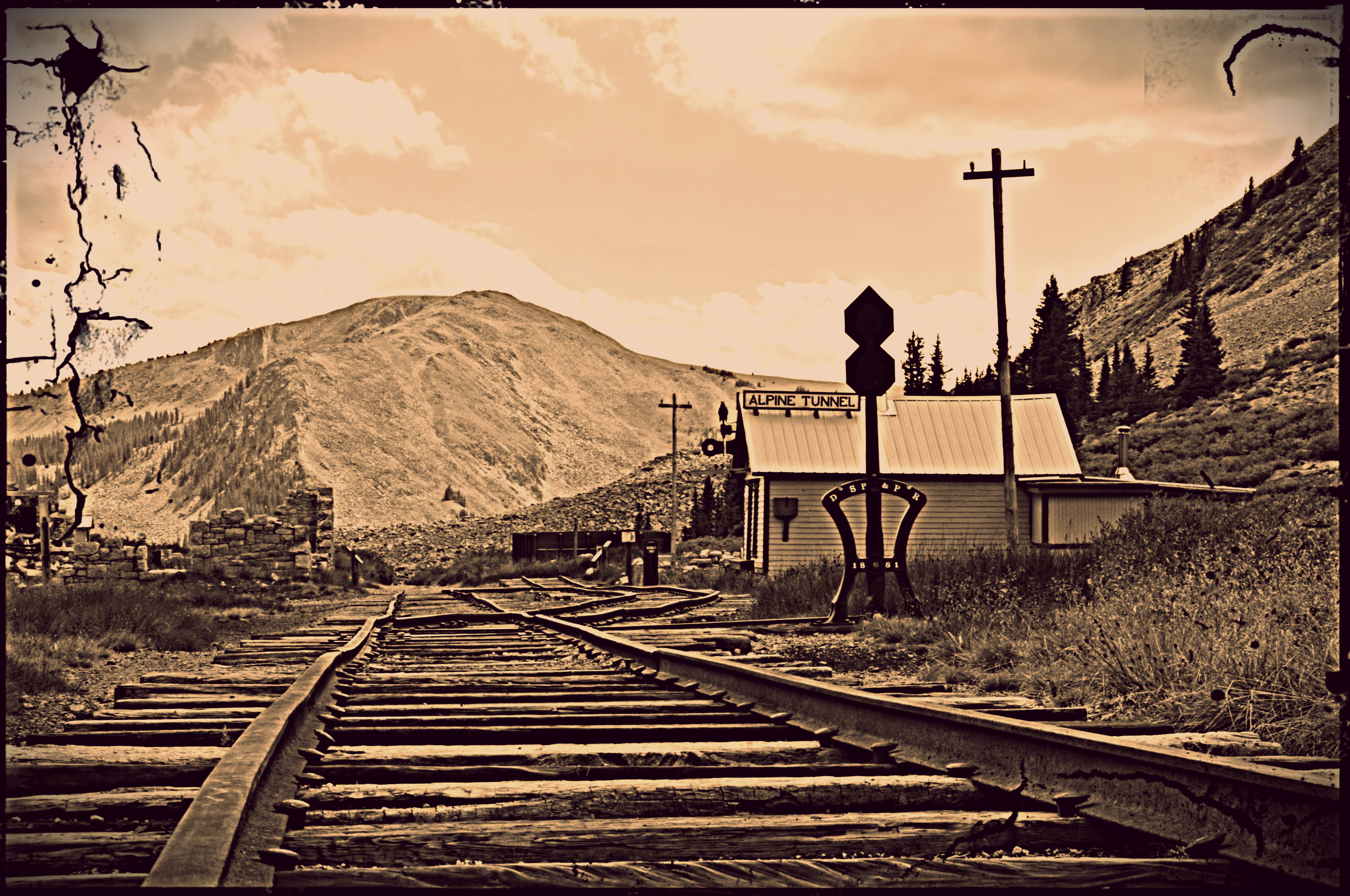
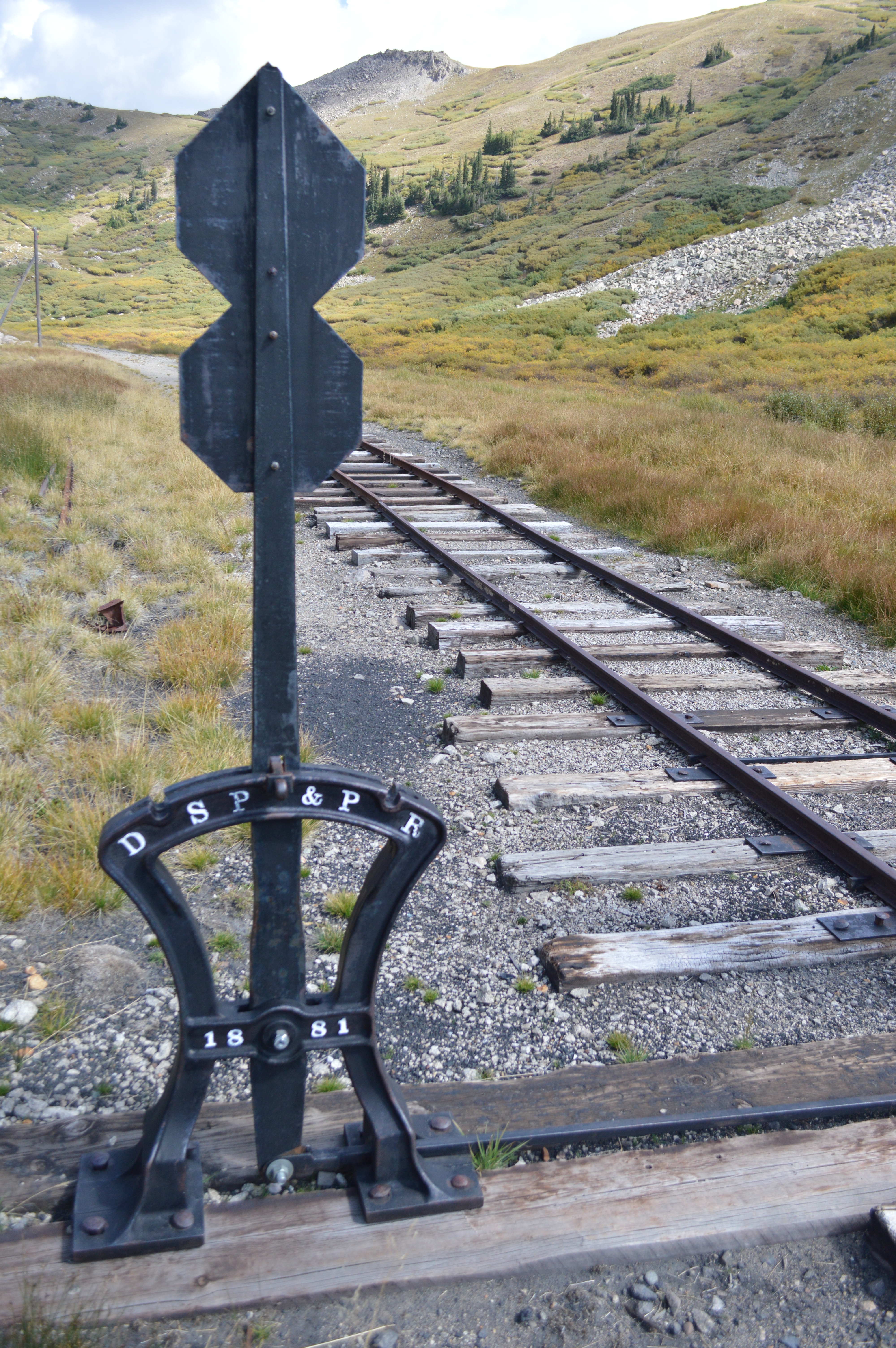
And that’s why I’m here again today—to mark another year’s pilgrimage and remember what it was like as a kid to walk this ground with wonder. The railroad built this complex of buildings near the tunnel’s west portal, some of which have been restored. The station is one completely restored, serving as a warming hut in the winter for snowshoers and cross-country skiers. Other restored or rebuilt structures include a tool shed, coaling platform, and turntable. Unrestored structures include a large boarding house, which collapsed in the 1950s, and an enormous stone engine house where locomotives were serviced, which burned in 1906. Re-laid tracks around the complex adds to the charm and the historical aura of the area.
The station’s door creaks as I push it open. The cozy front room hosts a cast iron stove, and though it has no fire, the station is a warm and welcome retreat from the stinging wind. I sit at a reconstructed station agent’s desk and snack on some jerky and trail mix for lunch. In my mind I can hear the telegraph tapping out messages and the chuffing and clacking of passing trains outside. In the engine house across the tracks, I hear workmen grinding metal as locomotives hiss waiting for their next assignment. In the air, I imagine a mixture of acrid coal smoke from the locomotives and soothing wood smoke pouring from the buildings’ chimneys.
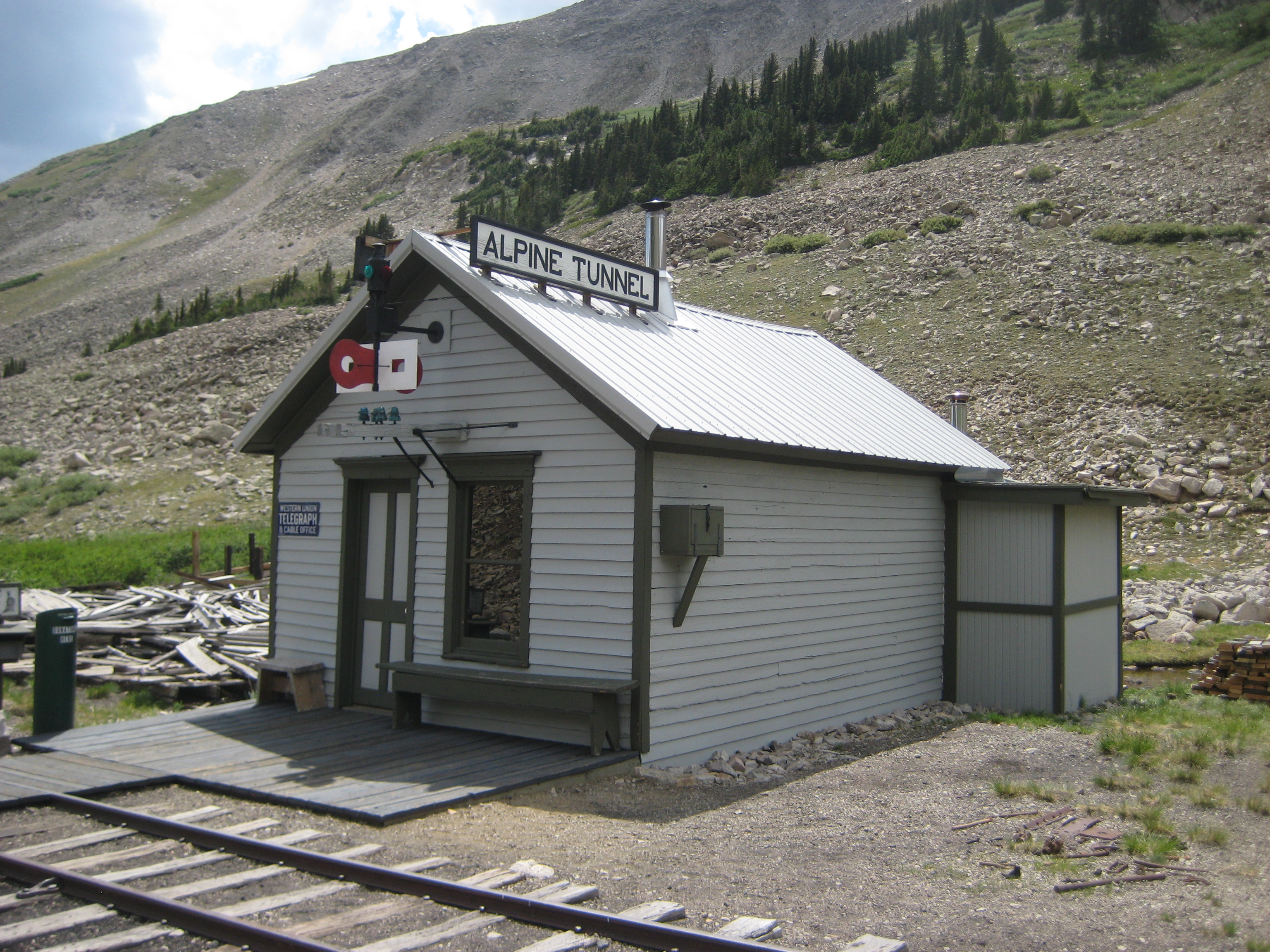
I finish my snacks and head back out into the chilly alpine air. The tunnel itself is an easy half mile walk up the valley from the station complex. After curving away from the station, the old railroad grade boldly heads arrow straight towards the valley’s headwall, an imposing 600 foot tall bulwark in front of me.
Slightly above and to the east (right) of the tunnel are the remnants of a few bunkhouses where the men who built the tunnel lived during construction. It’s estimated that about 10,000 men worked on the tunnel project, with no more than about 400 at a time. Turnover plagued the project due to the harsh and extreme working conditions. In the winter, men would have to tie themselves together with rope for their short walk from the bunkhouses to the tunnel so they wouldn’t get lost in the blinding snowstorms. And when they arrived at the tunnel, their clothes would be frozen to their bodies. After construction, the never-ending battle against snow only got worse. The flakes usually began falling by October and piled twenty feet or higher through successive winter storms until it finally melted in May or June. The relentless mountain winds would drift the dry powdery snow with ease, rendering shoveling efforts meaningless. The grit and determination of these people never cease to amaze me.
The west portal was deliberately bulldozed closed by the Forest Service years ago, ostensibly for safety. As recently as the 1990s, it was possible to gain access to the tunnel through a narrow opening in the rock and debris that had partially obscured the portal. But allowing public access to a tunnel built through unstable granite held back only by rotting timbers over 140 years old is of questionable wisdom. So today, the only visible evidence of the tunnel entrance is a few rows of coffee-table sized stones. A huge manicured pile of rock and dirt completely blocks the portal below. On the other side of the ridge, the east portal met a more natural fate, completely blocked by a large landslide many years ago. Inside the tunnel, the rails, ties, and timbers are forever entombed in the musty blackness of this engineering triumph.
Both approaches to the tunnel are teeming with breathtaking scenery and vivid historical sites. On the east side is Chalk Creek canyon, an ATV playground which features Tincup Pass, Williams Pass, Hancock Pass, and other jeep roads. The ghost towns of St. Elmo and Hancock, in addition to several well-preserved mining complexes, will intrigue your inner archaeologist. The west side through Quartz Creek canyon is a little more remote and quiet, but there are several established campgrounds to stay. Cumberland Pass is a popular high mountain pass accessible for passenger cars, and the towns of Pitkin and Tincup are quaint tourist destinations.
You can hike over the saddle between the portals—a relatively short but steep hike. From the east portal, a three mile hike down the roadbed brings you to the ghost town of Hancock and the trailhead.
On my walk back to my Jeep, I reflect on all the trips I’ve made to this place. I wonder why I always return—after all, it never seems to change much. But maybe that’s exactly why I keep coming back. In a world that seems under incessant change, and every day brings another head shaking revelation, I appreciate that this place is exactly how I remember it thirty-five years ago. Its timelessness is a…well…refreshing change.
Check out the YouTube video of my hike here: https://youtu.be/OTCAyNpvqyE

 Steve Grimes
Nice write-up. I’m usually in the area half a dozen times a year and never walked up there. Now I think I’ll go take a peek.
LikeLiked by 1 person